Stucco is a popular exterior finish for homes and commercial buildings due to its durability and aesthetic appeal. However, like all materials, stucco can suffer from wear and tear over time. Whether you’re dealing with cracks, water damage, or other issues, timely stucco repair Hinsdale is essential to preserve the integrity of your building’s facade. In this post, we will explore various aspects of stucco repair, including EIFS repair Chicago and Dryvit repair Lake Zurich, to help you understand the best solutions for restoring your exterior.
What is Stucco, and Why Does It Need Repair?
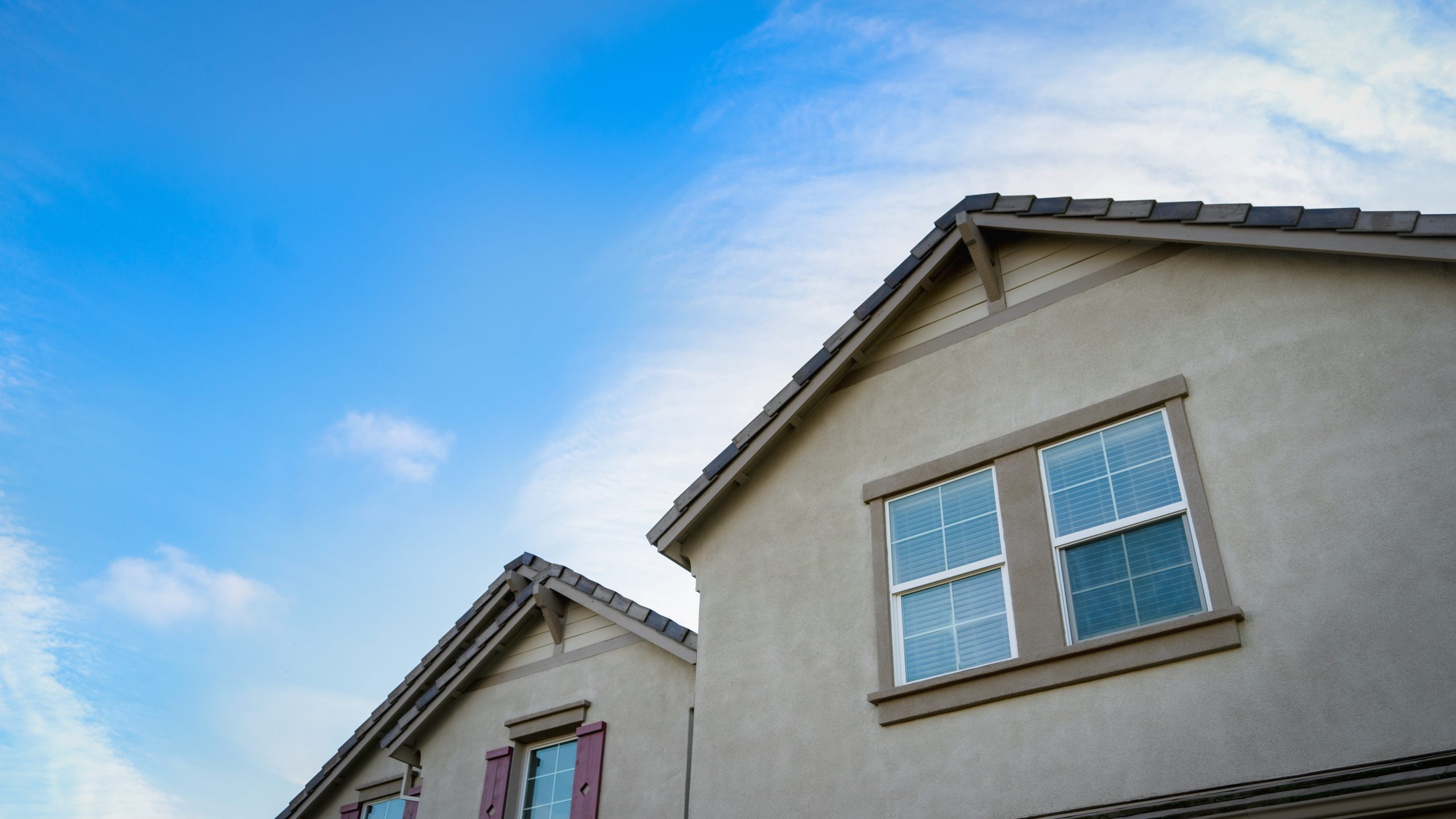
Stucco is a cement-based material that is applied over exterior surfaces to create a smooth, textured finish. It is often used on homes, particularly in Mediterranean-style architecture, and on commercial buildings due to its versatility and low maintenance requirements. However, over time, stucco can deteriorate due to environmental factors like moisture, temperature changes, and physical damage. Common problems that may require stucco repair include:
-
Cracks and Chips: These can occur as the material ages or due to settling of the foundation.
-
Water Damage: Stucco is prone to moisture infiltration, which can cause deterioration over time.
-
Mold and Mildew: Excess moisture can lead to mold or mildew growth beneath the stucco surface.
-
Discoloration or Fading: The color of stucco can fade due to exposure to sunlight and weather conditions.
Types of Stucco Repair
1. Basic Stucco Repair
For minor issues like small cracks or chips, a simple stucco repair is usually sufficient. This involves cleaning the damaged area, applying a bonding agent, and then filling in the cracks with a patching compound. Once the compound is dry, it’s smoothed out to match the surrounding surface. A new coat of paint can be applied to restore the appearance.
2. EIFS Repair (Exterior Insulation and Finish System)
EIFS, or Exterior Insulation and Finish System, is a synthetic stucco system that offers superior insulation properties. While it is durable, it can also be prone to water damage if not properly maintained. When an EIFS system is compromised, the repair process can be more complex than traditional stucco.
EIFS repair typically involves identifying the source of moisture damage, removing damaged areas of the insulation, and replacing them with new materials. The new finish layer is then applied to restore the wall’s appearance and protect it from future water intrusion. It’s important to ensure that the EIFS system is properly sealed after repairs to prevent future moisture damage.
3. Dryvit Repair
Dryvit is a brand of EIFS that is commonly used in residential and commercial buildings. Like other EIFS systems, Dryvit is prone to moisture infiltration if it is not maintained correctly. If you are dealing with Dryvit repair, the process is similar to general EIFS repair. The damaged sections of the system must be removed and replaced, followed by a new finish layer. Additionally, ensuring proper drainage and sealing is critical to preventing future problems.
The Repair Process
Step 1: Inspection and Assessment
The first step in any stucco repair process is a thorough inspection. A professional contractor will examine the surface for signs of damage, including cracks, holes, and areas with visible moisture infiltration. If you are dealing with EIFS or Dryvit, they will also check the insulation layers for water damage. The extent of the damage will determine whether simple patching will suffice or if more extensive repairs are needed.
Step 2: Preparation
Once the damage is assessed, the next step is preparing the area for repair. This typically involves cleaning the damaged surface, removing any loose or crumbling material, and drying out any moisture. For EIFS and Dryvit repairs, this may also involve removing damaged insulation and ensuring proper drainage paths are clear.
Step 3: Applying the Repair Material
After the surface is prepared, the repair material is applied. For minor cracks, this may simply involve applying a patching compound, smoothing it out, and allowing it to dry. In the case of more severe damage or EIFS/Dryvit repairs, new insulation boards may be added, followed by a base coat and finish coat. Each layer must be allowed to dry and cure before proceeding to the next step.
Step 4: Finishing Touches
Once the repair is complete, the final step is to apply a finish coat that matches the existing stucco texture. This is important for both aesthetic reasons and for ensuring the material is weatherproofed. In some cases, a fresh coat of paint may also be necessary to restore the look of the stucco.
Benefits of Timely Stucco Repair
-
Enhanced Durability: Regular stucco repairs help to extend the lifespan of your exterior, preventing small issues from turning into costly problems.
-
Improved Insulation: For EIFS systems, prompt repair helps maintain the insulation properties of the material, keeping your home more energy-efficient.
-
Prevention of Water Damage: Stucco is particularly vulnerable to water damage, and timely repairs can prevent moisture from infiltrating the walls, which can lead to mold, mildew, and rot.
-
Aesthetic Appeal: Repairing cracks, chips, or discoloration helps keep your home or building looking fresh and appealing.
When to Hire a Professional
While some minor stucco repairs can be completed by homeowners, it’s often best to hire a professional, especially for EIFS and Dryvit repair. These systems require specific expertise to ensure proper repair and sealing. A professional will have the necessary tools, materials, and knowledge to effectively address the issue and prevent future damage.