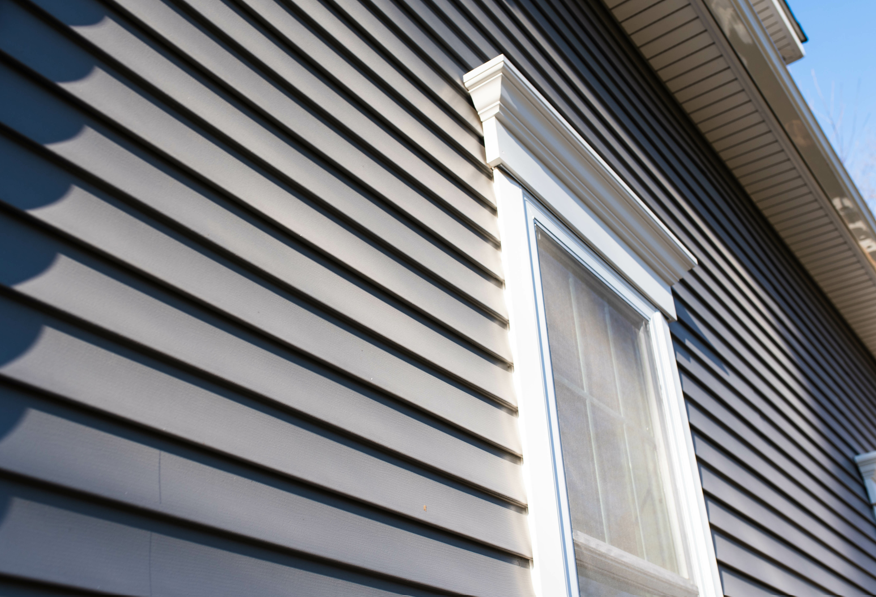
Selecting the right gutters is essential to protecting your home and maintaining its value. Gutters are key to directing rainwater safely away, preventing damage to your foundation, walls, and landscaping. With options like aluminum, copper, vinyl, and steel, understanding the benefits and drawbacks of each type will help you make an informed decision based on your budget, climate, and style. Here’s a breakdown of the different gutter types and tips to choose the best fit for your home.
The Importance of Gutters
Gutters channel rainwater away from your property, safeguarding it from issues like soil erosion, basement flooding, and potential foundation damage. Without properly installed gutters, water can accumulate near your foundation, seep into your home’s walls, and even damage siding, leading to costly repairs over time.
Types of Gutters: Pros and Cons
Each gutter material has unique qualities that cater to specific climates, budgets, and styles. Here’s a look at the advantages and disadvantages of popular options.
1. Aluminum Gutters
Advantages:
- Lightweight and easy to install, making them a popular and affordable choice.
- Resistant to rust, making them well-suited for rainy regions.
- Available in many colors, which can complement various home exteriors.
Disadvantages:
- Prone to denting, so they may not be ideal for areas with high winds or heavy storms.
- Less durable than copper or steel, particularly under extreme weather.
Ideal For:
Homes in moderate climates that need a balance of affordability and durability. Aluminum gutters are perfect for homeowners seeking a customizable, rust-resistant option without a high price tag.
2. Copper Gutters
Advantages:
- Extremely durable and can last for decades if maintained properly.
- Adds a classic, sophisticated look that develops a unique patina over time.
- Naturally resistant to rust without the need for painting.
Disadvantages:
- More expensive than aluminum or vinyl options.
- Heavy and requires professional gutter installation near me in Lake Forest, making it a more involved project.
Ideal For:
Homes in all climates, particularly those with traditional or high-end designs. Copper gutters are an excellent choice for those prioritizing style and durability over initial cost.
3. Vinyl Gutters
Advantages:
- Budget-friendly and lightweight, making them easy to install as a DIY project.
- Resistant to rust and corrosion, ideal for damp environments.
- Comes in a range of colors, eliminating the need for painting.
Disadvantages:
- Less durable and may crack in extreme temperatures, especially in very hot or cold weather.
- May require more frequent replacements compared to other materials.
Ideal For:
Homes in mild climates that require a low-cost, low-maintenance solution. Vinyl gutters work well for homeowners who need a quick, easy fix without professional installation.
4. Steel Gutters
Advantages:
- Strong and resilient, able to withstand harsh weather, heavy rain, and impact.
- Less likely to warp or crack, making it ideal for extreme weather conditions.
Disadvantages:
- Susceptible to rust if not properly treated or coated.
- Heavier and typically requires professional installation.
- More expensive than vinyl or aluminum options.
Ideal For:
Homes in areas with extreme weather, like heavy snow or intense storms. Steel gutters are ideal for homeowners seeking a long-term solution that prioritizes durability.
Tips for Selecting the Right Gutters
When choosing gutters, there are several key factors to consider beyond material alone. Here’s what to keep in mind:
1. Assess Your Climate
If you live in an area with frequent rain or snow, prioritize durability and resistance to weather. Copper and steel are strong choices for such climates, while aluminum can also perform well with regular upkeep.
2. Determine Your Budget
Budget plays a big role in selecting gutter materials. Vinyl and aluminum are typically less expensive, while copper and steel are premium options. While lower-cost materials may seem attractive initially, investing in more durable options could save you on repairs and replacements over time.
3. Match Your Home’s Aesthetic
Gutters can affect your home’s overall look, so consider the exterior style when making your choice. Aluminum and vinyl come in various colors, while copper offers a unique, timeless appeal, perfect for traditional or historic homes. Seamless gutters provide a streamlined look, ideal for modern designs.
4. Factor in Maintenance Needs
Each material requires different levels of upkeep. Copper may need occasional polishing to maintain its color, while vinyl requires little maintenance but may need more frequent replacement. Steel and aluminum need periodic cleaning and may require rust-proofing, depending on the climate.
5. Decide Between Seamless and Sectional Gutters
Seamless gutters are custom-made and have fewer joints, reducing the risk of leaks. Though they tend to be more expensive and require professional installation, they offer long-term durability and low maintenance. Sectional gutters are easier to install and more affordable upfront, but they may need more frequent repairs.
Final Thoughts on Choosing the Right Gutters
Choosing the right gutters is an investment that protects your home’s structural integrity, appearance, and overall value. By factoring in climate, budget, and design style, you can find gutters that enhance your property’s curb appeal while offering effective water protection. Whether you go with budget-friendly vinyl, durable aluminum, or premium copper, the right gutters will help keep your home safe and looking great for years to come.