The Real Lifespan of Hardwood Floors Compared to Other Flooring Types
Choosing new flooring is one of the biggest decisions homeowners make during a renovation or home improvement project. While appearance is often the first thing people consider, durability and long-term value are just as important. Different flooring materials vary greatly in how long they last, how well they handle wear, and how much maintenance they require over the years. Among all available options, hardwood flooring continues to stand out for its impressive lifespan and lasting appeal.
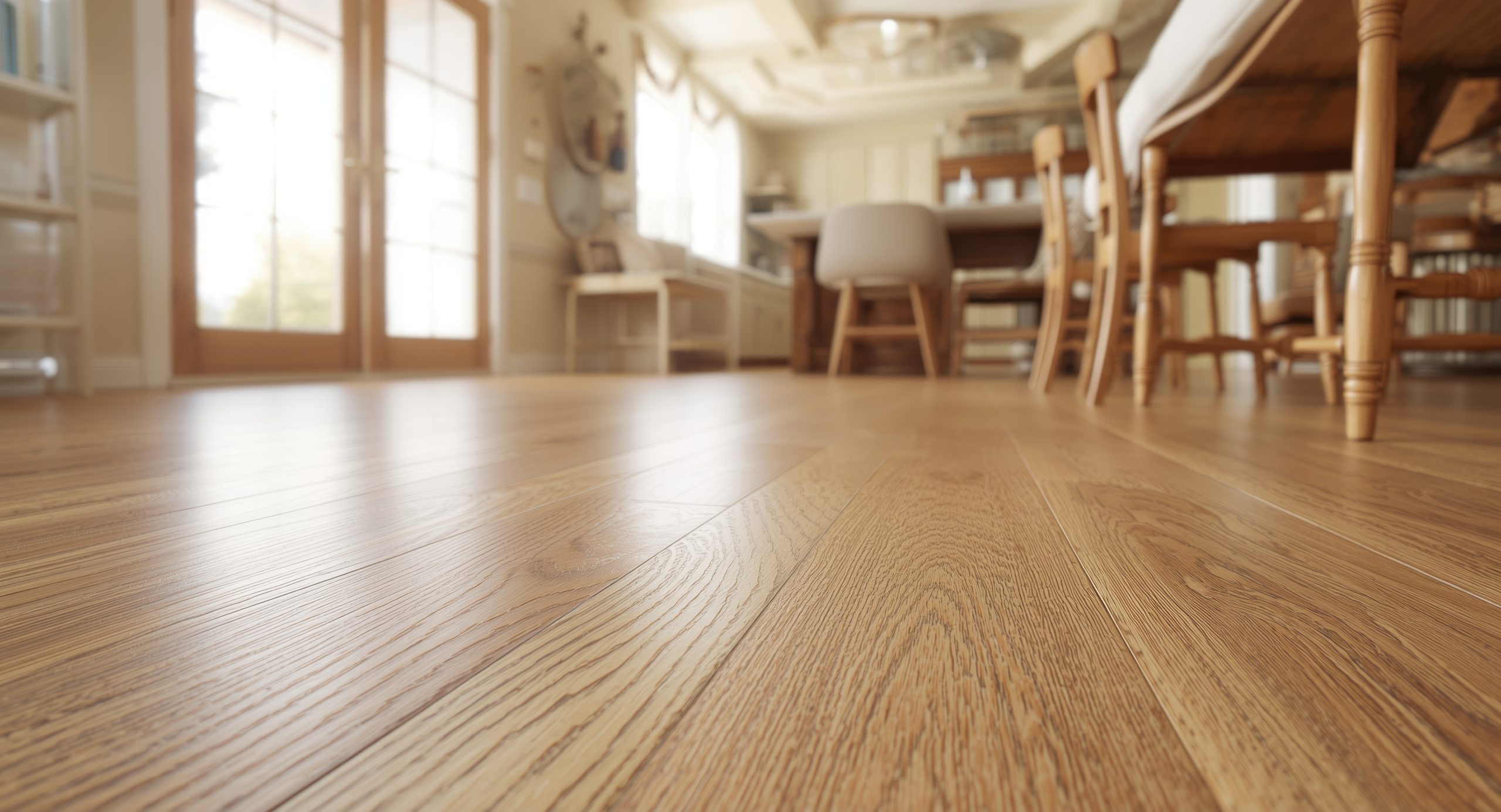
One of the biggest advantages of hardwood flooring is longevity. Properly installed and maintained hardwood floors can last anywhere from 30 to over 100 years depending on the wood species, finish quality, and level of care. Unlike many other flooring materials, hardwood can also be refinished multiple times, restoring its appearance without needing complete replacement. This makes it one of the most cost-effective flooring investments in the long run.
Carpet, by comparison, typically lasts between 8 and 15 years before showing significant wear. High foot traffic, stains, odors, and trapped allergens often shorten its lifespan even further. While carpet may initially cost less, replacement expenses over time can quickly add up.
Laminate flooring usually lasts around 10 to 25 years depending on quality and usage. Although laminate can imitate the appearance of real wood, it cannot be refinished once damaged. Scratches, swelling from moisture, or peeling edges often require full plank replacement or complete floor replacement altogether.
Vinyl flooring has become increasingly popular because of its affordability and water resistance. However, most vinyl flooring products last between 10 and 20 years. Over time, heavy furniture, sunlight exposure, and daily wear may cause fading, dents, or curling edges that cannot easily be repaired.
Tile flooring can last for decades, but it comes with its own challenges. Cracked grout, hard surfaces, and cold temperatures underfoot make tile less comfortable for many homeowners compared to hardwood. Repairs can also be complicated if matching tiles are no longer available years later.
The lifespan of hardwood flooring depends heavily on installation quality. Poor installation can lead to issues such as warping, squeaking, or gaps that shorten the floor’s durability significantly. This is one reason many homeowners searching for hardwood floor installation near me Chicago choose experienced professionals rather than risking expensive long-term problems caused by improper installation.
Environmental conditions also matter. Hardwood floors installed correctly with proper moisture protection can handle decades of daily use while maintaining their appearance and structural strength. Routine maintenance such as cleaning, refinishing, and humidity control helps maximize their lifespan even further.
Another reason hardwood flooring lasts so long is its timeless style. Unlike trendy flooring materials that quickly look outdated, hardwood maintains its popularity year after year. This means homeowners are less likely to replace it simply for aesthetic reasons.
Many families researching hardwood floor installation near me Lake Zurich view hardwood flooring as both a design upgrade and a long-term investment. While the upfront cost may be higher than some alternatives, the extended lifespan often makes hardwood more affordable over time.
In the end, few flooring options can match the combination of beauty, durability, and value that hardwood floors provide. When professionally installed and properly maintained, hardwood flooring can easily outlast most other flooring materials while continuing to enhance the comfort and value of a home for generations.