A Glenview Home That Looked Perfect Until the Brick Started Failing
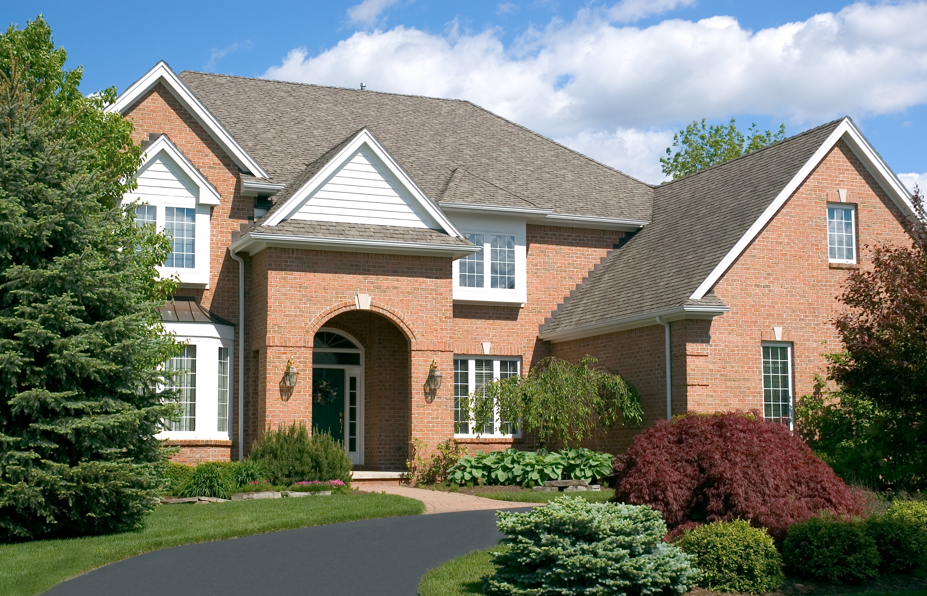
From the outside, everything about this Glenview home appeared completely normal. The brickwork was clean, the color was consistent, and there were no obvious cracks or missing mortar joints. It looked like a well-maintained property with no urgent concerns.
But masonry problems often begin long before they become visible.
Over time, moisture slowly entered microscopic openings in the mortar system. This process is invisible at first and does not immediately affect the appearance of the structure. However, once seasonal changes begin, the real damage starts to develop.
During winter, the trapped moisture freezes and expands inside the wall. This creates internal stress that weakens the masonry from within. When the temperature rises, the moisture melts and leaves behind slightly larger gaps. Each cycle makes the structure weaker than before.
In this situation, the homeowner didn’t notice anything significant until small exterior changes began to appear. Certain areas of mortar started to look slightly worn, and some sections of brick showed minor texture differences.
These subtle signs led to a full evaluation.
The inspection revealed that moisture had been affecting the structure for an extended period. Several areas of mortar had deteriorated, and hidden water penetration was found behind sections of brickwork.
In cases involving masonry contractors near Glenview, this type of gradual deterioration is extremely common, especially in homes exposed to repeated freeze-thaw cycles.
The repair required careful tuckpointing and reinforcement of affected areas to restore both structural integrity and long-term durability.
This case shows how a home can appear perfectly fine while internal damage is already developing. Regular maintenance and early detection are essential to avoid larger restoration projects later on.