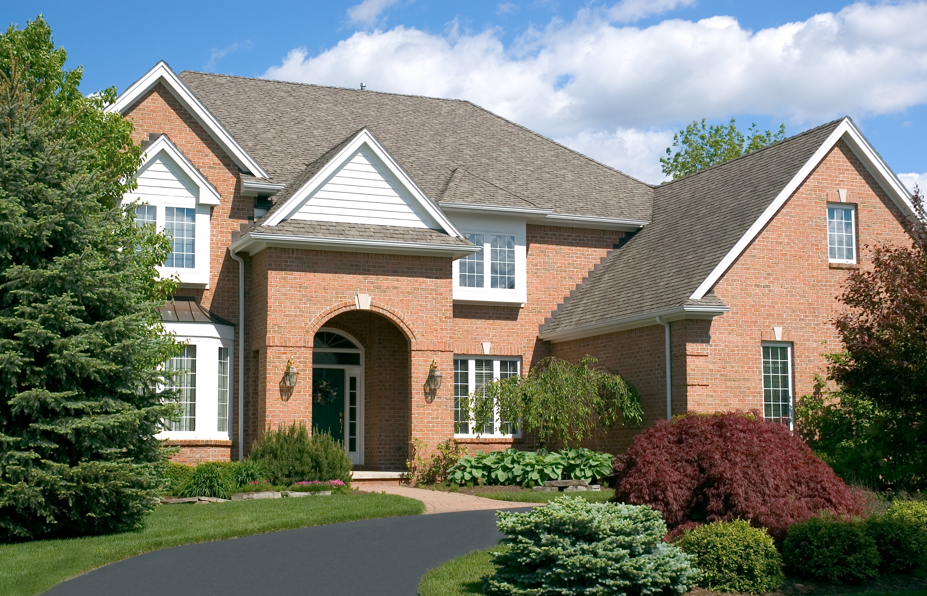
Brickwork is a hallmark of timeless architecture, offering both durability and aesthetic elegance. However, over time, brick structures can suffer from erosion, leading to compromised integrity and diminished beauty. Understanding the causes of brick erosion and implementing effective preservation techniques is crucial for maintaining your property. Tuckpointing emerges as a key method in the preservation arsenal, providing a solution to restore and protect brickwork. This guide will walk you through the essentials of brick erosion and how tuckpointing near me in Chicago can effectively prevent further deterioration.
Causes of Brick Erosion
Brick erosion is a multifaceted issue influenced by several factors:
- Environmental Exposure: Constant exposure to rain, snow, wind, and sun can gradually wear down brick surfaces and mortar.
- Poor Maintenance: Neglecting regular maintenance allows minor issues to escalate, leading to significant erosion over time.
- Water Infiltration: Water entering through cracks can cause expansion and contraction, leading to mortar deterioration.
- Thermal Expansion: Fluctuating temperatures cause bricks and mortar to expand and contract, which can result in cracking.
- Biological Growth: The growth of moss, algae, and lichens on brick surfaces can trap moisture, accelerating erosion.
The Role of Tuckpointing in Brick Preservation
Tuckpointing is a specialized masonry technique designed to repair and rejuvenate mortar joints in brickwork. By addressing the root causes of brick erosion, tuckpointing plays a pivotal role in preserving the structural and aesthetic qualities of brick structures.
Key Benefits of Tuckpointing:
- Structural Reinforcement: Replacing deteriorated mortar restores the bond between bricks, enhancing the overall strength of the structure.
- Waterproofing: Fresh mortar seals gaps and cracks, preventing water ingress and subsequent damage.
- Aesthetic Enhancement: Tuckpointing refreshes the appearance of brickwork, maintaining its visual appeal.
- Energy Efficiency: Well-maintained mortar joints contribute to better insulation, reducing energy costs.
Steps Involved in the Tuckpointing Process
- Initial Assessment: A thorough inspection identifies areas affected by erosion and determines the scope of work required.
- Mortar Removal: Skilled masons carefully remove the damaged mortar using specialized tools, ensuring minimal disruption to the bricks.
- Joint Cleaning: The joints are meticulously cleaned to eliminate dust, debris, and old mortar residues, providing a clean surface for the new mortar.
- Mortar Mixing: High-quality mortar, matched in color and composition to the original, is prepared for application.
- Application and Tooling: The new mortar is applied to the joints and tooled to replicate the original joint profile, ensuring a seamless blend with existing brickwork.
- Curing and Finishing: The mortar is allowed to cure properly, and the final finish is inspected to ensure quality and consistency.
Preventative Measures to Reduce Brick Erosion
While tuckpointing is essential for repairing existing erosion, adopting preventative measures can significantly reduce future damage:
- Regular Inspections: Periodically inspect brickwork for signs of erosion, such as cracked mortar or loose bricks.
- Proper Cleaning: Keep brick surfaces clean from biological growth and debris that can trap moisture.
- Sealants and Waterproofing: Apply sealants to brick surfaces to provide an extra layer of protection against water penetration.
- Adequate Ventilation: Ensure proper ventilation in areas like basements and attics to prevent moisture buildup.
- Landscaping Considerations: Maintain proper drainage around your property to direct water away from brick structures.
Choosing the Right Tuckpointing Contractor
Selecting a qualified and experienced tuckpointing contractor is crucial for effective preservation:
- Experience and Expertise: Look for contractors with a proven track record in tuckpointing and brick restoration.
- Quality Materials: Ensure they use high-quality mortar and materials that match your existing brickwork.
- References and Reviews: Check testimonials and seek references to gauge the contractor’s reliability and workmanship.
- Warranty and Guarantees: A reputable contractor should offer warranties on their work, providing peace of mind.
Preserving brickwork against erosion is essential for maintaining both the structural integrity and aesthetic value of your property. Tuckpointing stands out as a vital technique in the preservation process, offering a comprehensive solution to repair and protect brick structures. By understanding the causes of brick erosion and implementing effective maintenance strategies, including regular tuckpointing, you can ensure that your brickwork remains strong, beautiful, and resilient for generations to come. If you’re facing issues with brick erosion, consider reaching out to a professional tuckpointing service to safeguard your investment and uphold the enduring elegance of your brick architecture.